
Why Waterproofing Retaining Walls Is Essential for Long-Term Stability and Durability
Rochester, United States - February 10, 2026 / Highlander Waterproofing & Foundation Repair /
You’ve likely invested a fair amount of time and money into your property’s landscape, including the installation of retaining walls. But have you ever stopped to reflect on the impact of water damage on these structures? When exposed to constant moisture and soil pressure, an unsealed retaining wall can experience serious issues such as mold growth, cracks, or even collapse. Now, imagine if a simple waterproofing solution could avoid these problems, ensuring the longevity of your walls. Intriguing, isn’t it? Let’s explore this further.
Key Takeaways
- Retaining walls require waterproofing to prevent soil erosion, structural damage, and mold growth, increasing their functionality and lifespan.
- Waterproofing protects retaining walls from water penetration, mitigating risks like cracks, collapse, health hazards from mold, and high repair costs.
- Various waterproofing methods include liquid membranes, cementitious waterproofing, paints, and drainage systems, selected based on wall type and climate conditions.
- DIY waterproofing can be cost-effective and hands-on, but professional services guarantee precision, expertise, and high-quality results.
- Regular maintenance of waterproofed walls prevents future water-related issues, improves aesthetic appeal, and enhances property value.
Understanding Retaining Walls
Nestled in many landscapes, retaining walls serve both functional and aesthetic purposes. They’re more than just beautiful structures; they’ve an essential role in maintaining the integrity of your property. You might find them in your backyard, holding back a slope, or as a part of a garden landscape, adding a unique touch to the overall design.
Retaining walls prevent soil erosion, a common issue in hilly or sloped properties. By holding back soil, they create a flat surface where you can plant a garden, build a patio, or simply enjoy an unobstructed view.
They’re built sturdy and strong, often from materials like concrete, stone, or brick, to withstand the pressure of the earth they’re holding back.
However, retaining walls aren’t just thrown together. They’re carefully designed and engineered structures. You need to take into account the soil type, the slope grade, and the amount of pressure the wall will need to handle.
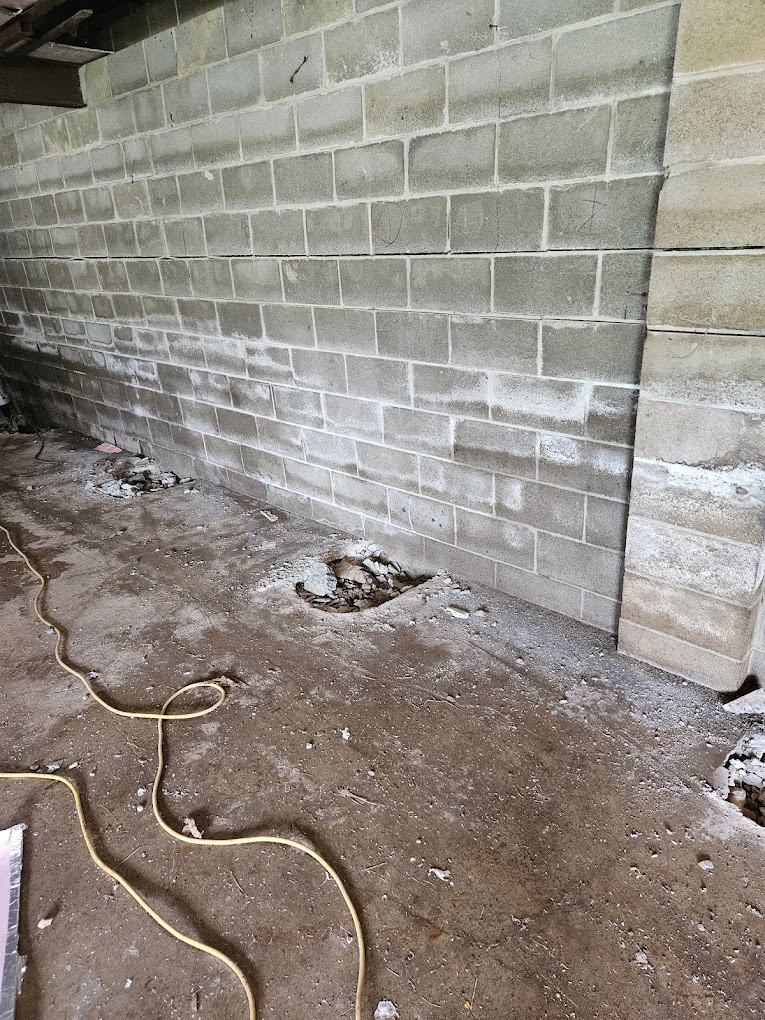
It’s a careful balance that requires expertise and precision. So, while they may seem like simple structures, retaining walls play a significant role in landscaping and property management.
The Role of Waterproofing
Now, let’s talk about the role of waterproofing.
It’s important for you to understand why waterproofing is essential in maintaining the integrity of your retaining walls.
We’re also going to discuss some of the most effective techniques in waterproofing retaining walls.
Importance of Waterproofing
Understanding the importance of waterproofing in retaining walls is essential for their longevity and functionality. You might wonder, “What’s the big deal with waterproofing?” Well, it’s all about protecting your investment and ensuring the structural integrity of your retaining walls.
Water is a powerful force of nature. It seeps into the smallest cracks and crevices, expanding and contracting with temperature changes. Over time, this can lead to significant damage. Waterproofing is your first line of defense against this. It creates a barrier that prevents water from penetrating the wall.
Without waterproofing, your retaining wall can succumb to the damaging effects of moisture. This includes mold and mildew growth, which not only looks unsightly but can also pose health risks. More critically, water damage can lead to structural issues, including cracks, bulges, or even wall collapse.
Moreover, waterproofing your retaining wall extends its lifespan. It could be the difference between a wall that lasts a few years and one that stands strong for decades.
Waterproofing Retaining Walls Techniques
When it comes to waterproofing your retaining walls, several techniques can be employed to guarantee maximum protection.
One of the most popular methods is the application of a waterproofing membrane. This is a thin layer of material, typically rubber or plastic, which you can apply directly to the wall. It’s designed to repel water and keep it from penetrating the wall’s surface.
Another technique is cementitious waterproofing. This involves the use of a cement-based solution that can be easily applied to the wall. You’ll find it effective because it creates a barrier that’s resistant to both positive and negative side water pressure.
You may also consider using waterproofing paint or a waterproofing sealant. These products are applied like regular paint or sealant but have special properties that repel water.
Lastly, consider incorporating a drainage system into your retaining wall design. This won’t waterproof the wall, but it’ll help redirect water away from it, which can prevent damage over time.
No matter which technique you choose, remember that the goal is to protect your retaining wall from water damage.
Risks of Ignoring Waterproofing
Ignoring waterproofing for your retaining walls can lead to severe consequences, becoming a homeowner’s nightmare. Here’s why.
When you opt to ignore waterproofing, you’re inviting issues that could escalate into major problems. Your retaining wall, whether it’s made of concrete, stone, or wood, is continuously exposed to moisture from the ground.
Without the protective shield of waterproofing, it’s like leaving your wall out in the rain without an umbrella.
Here are some risks of shunning waterproofing:
- Structural Damage: Moisture can cause your retaining wall to weaken over time, leading to cracks and even collapse.
- Mold Growth: Damp environments are perfect for mold. It can creep into your home, causing health problems.
- Aesthetic Damage: Uncontrolled water can stain and discolor your walls, ruining their appearance.
- Increased Repair Costs: Ignored waterproofing often leads to more expensive repairs down the line.
- Decrease in Property Value: A poorly maintained wall can reduce your property’s value when it’s time to sell.
Don’t let these risks dampen your home’s charm. Prioritize waterproofing your retaining walls and save yourself from a heap of future troubles.
Recognizing Water Damage Signs
You’ve learned why waterproofing is essential, now let’s talk about recognizing the signs of water damage.
Knowing these indicators can help you assess the risk to your retaining walls’ structure.
Identifying Water Damage Indicators
Puddles at the base of your retaining wall can be a surefire sign of water damage. However, it’s not always this obvious. Knowing what to look for can be vital in identifying problems early, avoiding costly repairs, and ensuring the longevity of your wall.
Here are a few indicators to help you spot water damage:
- Discoloration: Unusual or inconsistent color patches may indicate water saturation. Look for areas where your wall’s color is darker than the rest.
- Efflorescence: This white, powdery substance is a common sign of water damage. It’s the result of water-soluble salts being carried to the surface by water.
- Mold or algae: The presence of mold or algae on your wall suggests excessive moisture. Both can cause further damage if not addressed.
- Cracks or bulges: Structural changes in your wall, such as cracks or bulges, often point to water damage. It’s important to take these signs seriously.
- Damp smell: Finally, don’t ignore your nose. A persistent damp smell could suggest hidden water damage.
Assessing Structural Damage Risks
Often, it’s the subtle signs of water damage that cause the most concern. You mightn’t notice them until it’s too late and your retaining wall is at risk of structural damage.
But don’t worry, you can learn to spot these signs early to prevent extensive damage.
Firstly, be on the lookout for white or greyish powder on the wall. This is efflorescence, a result of water bringing salts to the surface. It’s a clear indicator of water seepage.
In addition, notice any discolorations. Streaks of darker color can show you where water is running down the wall.
Thirdly, check for cracks. While small cracks might just be cosmetic, larger ones can indicate serious structural issues. If you notice major cracks, it’s advisable to call in a professional.
Lastly, monitor any mold or vegetation growth. These typically thrive in damp conditions and can be a sign of chronic water issues.
Types of Waterproofing Methods
When it comes to your property’s retaining walls, waterproofing is truly indispensable. Water can infiltrate your walls, causing them to deteriorate over time. But not to worry, there are various types of waterproofing methods that can prevent this.
- Liquid Waterproofing Membrane: This is a thin coating which includes a primer coat and two top coats. It’s applied like paint and is flexible, allowing it to span small cracks you didn’t know existed.
- Cementitious Waterproofing: Easy to use and readily available, this method is often used in internal wet areas like toilets.
- Bituminous Coating: Also known as asphalt coating, it’s excellent for retaining walls exposed to harsh weather conditions.
- Bituminous Membrane: This is a popular method for low-sloped roofs, composed of a semi-flexible or flexible membrane made of bitumen.
- Polyurethane Liquid Membrane: This method is used for flat roofs due to its flexibility and resistance to weather.
Choosing the Right Waterproofing Material
While it can be a bit overwhelming with all the different types of waterproofing methods available, choosing the right one for your retaining walls doesn’t have to be a headache.
Here’s a simple guide to help you make the right choice.
Firstly, you need to evaluate the type of wall you have. Different materials require different waterproofing methods. For instance, concrete walls might do well with a liquid membrane, while a masonry wall could benefit more from a cementitious solution.
Next, assess the climate and the level of moisture exposure. If you’re in an area with heavy rainfall, you’ll want a waterproofing material that can withstand a lot of water, like a bituminous coating.
On the other hand, if you’re in a drier climate, a crystalline waterproofing material might suffice.
DIY Waterproofing Vs. Professional Services
Deciding between DIY waterproofing and hiring professional services can be a tough call. Each option has its pros and cons, and it’s vital to take them into account before making a decision.
With DIY waterproofing, you’re in complete control. You decide the materials to use, the methods to employ, and the pace at which to work. It’s a hands-on approach that can be satisfying, particularly if you’re a hands-on person. However, it requires a degree of skill and knowledge about waterproofing.
Professional services, on the other hand, can offer expertise, experience, and precision. They’ve got the skills and equipment to guarantee the job is done right. But, you need to be ready to let someone else take the reins, and trust in their abilities.
Some factors to take into account include:
- Your level of experience and comfort with DIY projects
- The complexity of the waterproofing work needed
- The time you have available to devote to the project
- Your access to necessary tools and materials
- The level of assurance you want about the job’s quality
In the end, the choice between DIY and professional services will depend on your personal circumstances, confidence, and preferences.
Cost Implications of Waterproofing
Let’s shift gears and consider the cost implications of waterproofing.
You’ll need to account for expenses such as waterproofing materials and labor costs.
Additionally, it’s essential to evaluate the long-term financial benefits of this investment.
Expenses for Waterproofing Materials
A significant portion of your budget for retaining walls can go towards waterproofing materials. While it may seem like a costly addition, waterproofing is a wise investment that can save you money in the long run. It prevents water damage, which can lead to costly repairs, and helps to maintain the structural integrity of your wall.
The cost of waterproofing materials will depend on several factors. You’ll need to take into account:
- The size of your wall: Larger walls will need more materials, increasing the cost.
- The type of material you choose: Some waterproofing materials are more expensive than others.
- The severity of the weather in your area: If you live in a climate with heavy rainfall, you’ll need more robust waterproofing.
- The quality of the materials: Higher quality materials may cost more upfront but can save you money in the long run by providing better protection.
- The complexity of the job: If your wall has lots of corners or curves, it may require more materials.
Labor Costs Evaluation
Often, you might find that the labor costs for waterproofing your retaining walls constitute a significant part of your overall expenses. It’s critical to evaluate these costs wisely as they can dramatically affect your budget.
The labor cost isn’t a fixed figure. It varies depending on multiple factors such as the complexity of the job, the size and condition of your retaining wall, and the rates of the contractors in your area. For instance, if your wall is in poor condition or if it’s large, the labor costs can shoot up as the job would be more demanding.
When reviewing labor costs, it’s not just about finding the cheapest contractor. You’ll also want to weigh the contractor’s experience and reputation. After all, you won’t want to end up with a poorly done job that’ll require additional expenses to fix later on.
You can save on labor costs by getting quotations from different contractors and comparing them. Don’t hesitate to negotiate rates and confirm that the quotation includes all costs upfront to avoid unexpected charges later on.
Long-Term Financial Benefits
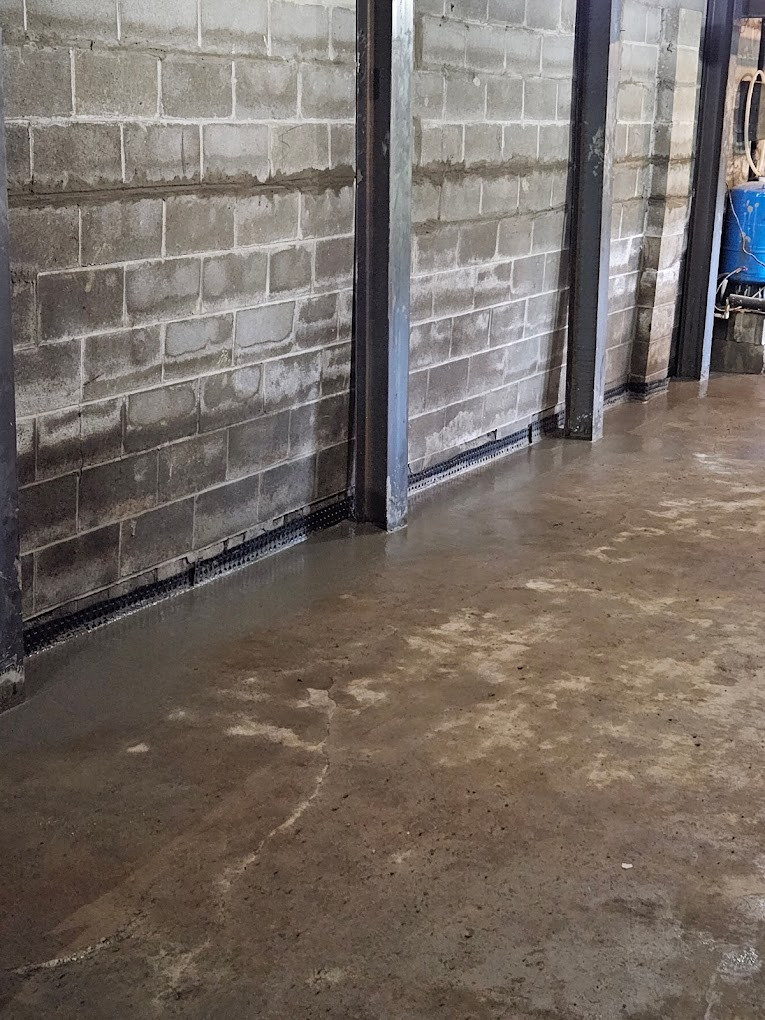
While labor costs can be considerable, you’ll see the value over time as waterproofing your retaining wall offers numerous long-term financial advantages.
It’s an investment that can save you a considerable amount of money in the long run.
Think about it this way: a waterproofed wall is a shield against potential damage caused by water and moisture. This reduces the likelihood of dealing with expensive repairs or a complete wall replacement down the line.
Not only that, a waterproofed wall can also boost your property’s value, making it an attractive feature for prospective buyers should you decide to sell your property.
Here are some key financial benefits you’ll reap from waterproofing your retaining wall:
- Lower Maintenance Costs: Waterproofing considerably reduces your maintenance costs as it prevents the wall from deteriorating.
- Increased Property Value: A well-maintained, waterproofed retaining wall can enhance your property’s appeal and value.
- Avoidance of Costly Repairs: Waterproofing helps prevent serious damage that could necessitate expensive repairs or replacements.
- Longer Lifespan: Waterproofing extends the lifespan of your wall, saving you replacement costs.
- Potential Insurance Savings: Some insurers may offer lower premiums for properties with waterproofed structures.
In the end, the initial investment in waterproofing can save you a lot of money.

Contact Information:
Highlander Waterproofing & Foundation Repair
1504 Scottsville Road #210
Rochester, NY 14623
United States
Giulio Bevilacqua
(877) 415-0564
https://highlanderwaterproofing.com/